
Welcome to Africa Cycads
|
Cycad Trivia Encephalartos horridus, the Eastern Cape Blue Cycad, has been described as one of the most unusual of all the South African species. It is particularly known for its distinctly blue-grey leaves, although the degree of colouration can vary significantly. The species name “horridus” is Latin for “bristly”, after the plant’s stiff, spiny leaflets. 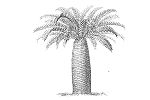 |
||
New Cycad Arrivals: | ||
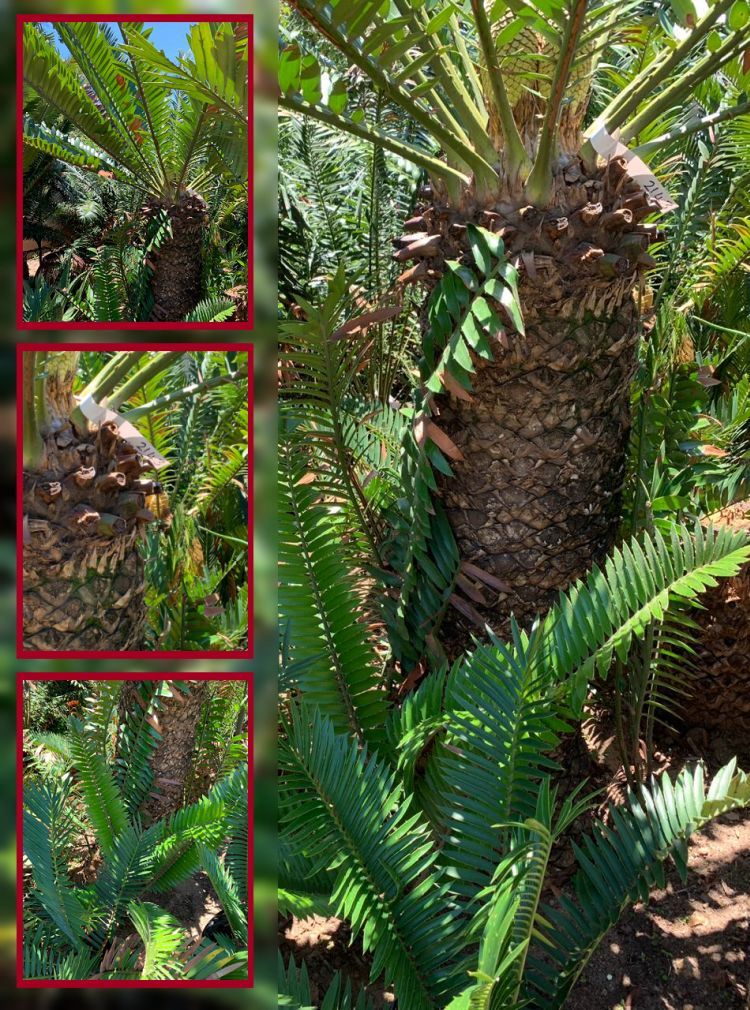
Natal Giant Cycad View Details E. natalensis Price: R 23,500.00 nmd | 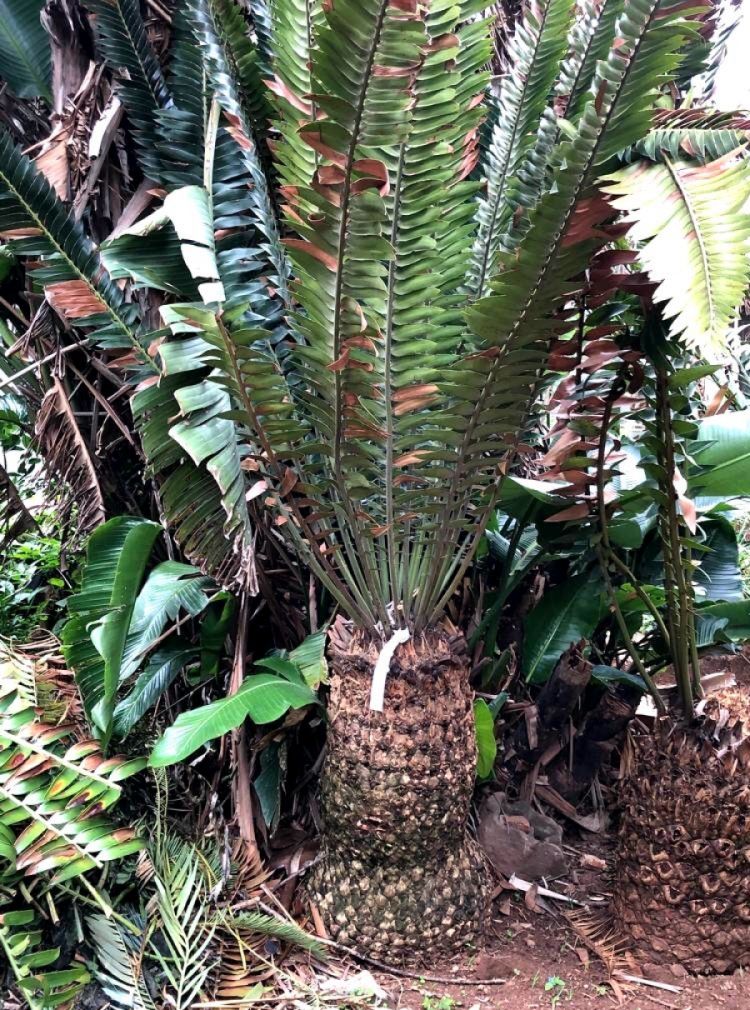
Modjadji Cycad View Details E. transvenosus Price: R 7,000.00 nmd | 
Eastern Cape Giant Cycad View Details E. altensteinii Price: R 22,000.00 nmd |
 Encephalartos ghellinckii or Drakensberg cycad is endemic to South Africa. Strongly associated with the Natal Drakensberg, this 3m tall evergreen species is found from the foothills to fairly high altitudes, growing on stream banks, steep grassy slopes and sandstone outcrops. Its preferred habitat lying within grassveld, it has developed resistance to veldfires, and also the intense cold brought on by snow and frost.
Plants from the high-altitude areas are more robust and usually have a fire-scarred base. The low altitude plants, such as those near the Umkomaas River, are stunted or dwarf-like and may have up to five trunks, often blackened by grass fires, which are... Encephalartos ghellinckii or Drakensberg cycad is endemic to South Africa. Strongly associated with the Natal Drakensberg, this 3m tall evergreen species is found from the foothills to fairly high altitudes, growing on stream banks, steep grassy slopes and sandstone outcrops. Its preferred habitat lying within grassveld, it has developed resistance to veldfires, and also the intense cold brought on by snow and frost.
Plants from the high-altitude areas are more robust and usually have a fire-scarred base. The low altitude plants, such as those near the Umkomaas River, are stunted or dwarf-like and may have up to five trunks, often blackened by grass fires, which are... |
